A Practical Guide for Buyers, Manufacturers, and Procurement Teams
Introduction
Digital transformation is no longer limited to large multinational corporations. In Malaysia, manufacturers, suppliers, and procurement teams are increasingly adopting digital tools to improve efficiency, transparency, and long-term competitiveness.
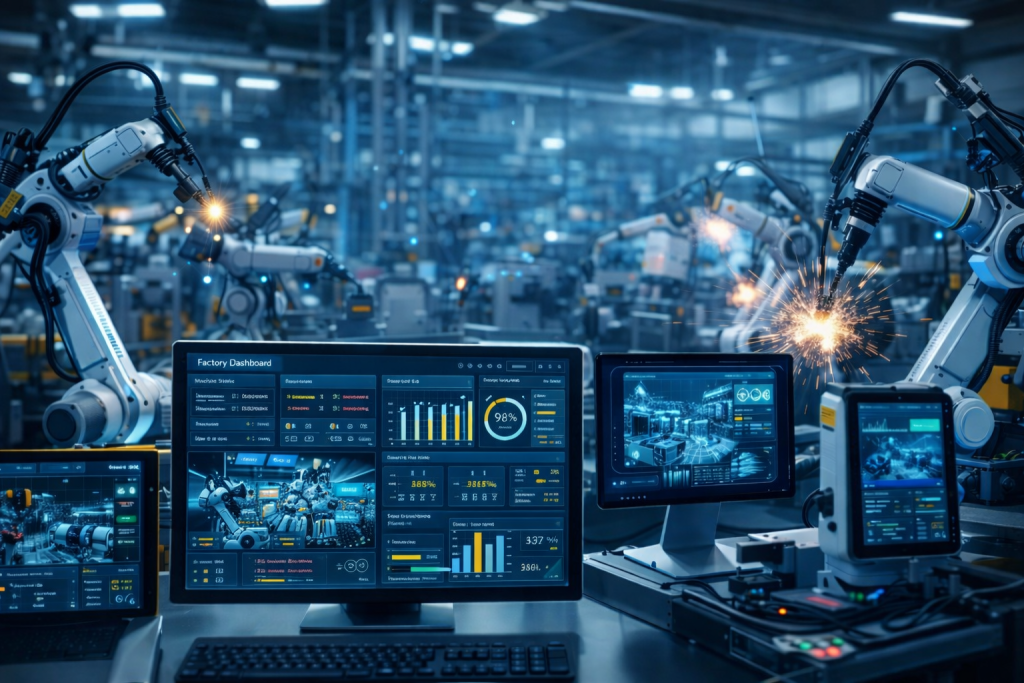
From inventory management and supplier coordination to production monitoring and quality control, digital systems are reshaping how industrial operations function.
However, digital transformation is not about buying software or installing machines. It is a structured process of integrating technology, people, and workflows to build more resilient and data-driven operations.
This guide explains what digital transformation means in an industrial context, why it matters for Malaysian businesses, and how companies can approach it practically—without unnecessary complexity.
What Digital Transformation Means in Industrial Operations
In industrial environments, digital transformation refers to the use of technology to optimize operational processes across manufacturing, procurement, logistics, and supplier management.
This typically includes:
Digital inventory tracking
ERP or production management systems
Supplier data integration
Automated quality monitoring
Real-time production dashboards
Data-driven procurement decisions
Rather than replacing human expertise, these tools enhance visibility and coordination across departments.
For buyers, this means clearer supplier performance data.
For manufacturers, it means improved production planning.
For procurement teams, it means faster decision-making with fewer errors.
Why Malaysian Businesses Are Accelerating Digital Adoption
Several factors are driving digital transformation in Malaysia’s industrial sector:
Rising Cost Pressures
Manual processes often lead to inventory waste, production delays, and procurement inefficiencies. Digital systems help reduce operational friction and improve cost control.
Increasing Supply Chain Complexity
Modern supply chains involve multiple suppliers, locations, and timelines. Digital platforms provide centralized visibility across these moving parts.
Higher Customer Expectations
Buyers increasingly expect faster delivery, consistent quality, and transparent communication. Digital tools enable businesses to meet these expectations reliably.
Government and Industry Initiatives
Malaysia’s Industry4WRD framework encourages manufacturers to modernize operations through automation, connectivity, and data analytics.
Together, these factors are pushing companies to rethink traditional workflows.
Key Areas of Digital Transformation in Industrial Operations
1. Procurement and Supplier Management
Digital procurement platforms allow businesses to:
Track supplier performance
Compare pricing and lead times
Maintain centralized supplier databases
Automate purchase orders
This reduces dependency on informal communication and improves accountability.
Companies that integrate supplier data into procurement systems experience fewer disruptions and more predictable sourcing outcomes.
2. Production Planning and Monitoring
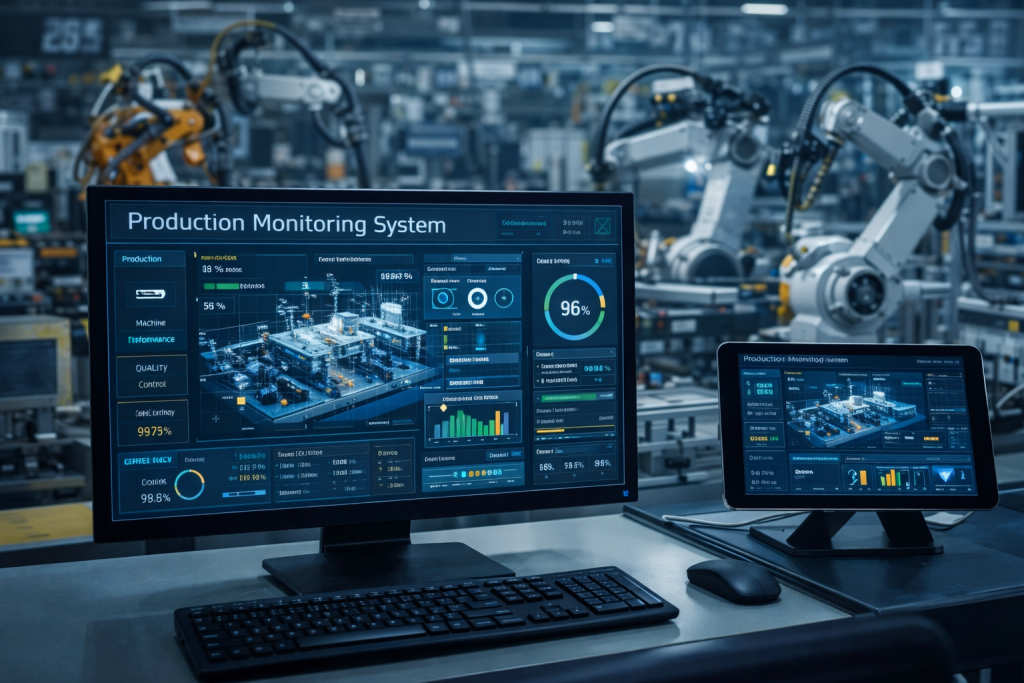
Manufacturers increasingly use digital dashboards to monitor:
Machine utilization
Production output
Downtime causes
Quality metrics
These insights help operations teams identify bottlenecks early and adjust schedules in real time.
3. Inventory and Logistics Optimization
Digital inventory systems provide:
Real-time stock visibility
Automatic reorder alerts
Improved warehouse coordination
This minimizes overstocking while preventing production interruptions due to material shortages.
4. Quality Control and Traceability
Digital quality systems allow businesses to:
Track batch histories
Record inspection results
Identify defect patterns
Improve regulatory compliance
This is especially valuable for industries with strict quality requirements.
Common Misconceptions About Digital Transformation
Many businesses hesitate because they believe digital transformation requires massive investment or complex IT infrastructure.
In practice, successful transformation usually begins with small, focused improvements such as:
Digitizing supplier records
Implementing basic inventory software
Introducing simple production tracking tools
Progressive implementation allows companies to scale gradually while building internal capability.
Digital transformation is not a one-time project—it is a continuous improvement process.
How Buyers and Procurement Teams Benefit
For procurement professionals, digital transformation enables:
Faster supplier evaluation
Better cost comparisons
Improved contract tracking
Reduced manual paperwork
When procurement systems integrate with supplier data and operational planning, buyers gain a clearer picture of total sourcing performance—not just unit pricing.
This supports smarter long-term supplier relationships.
Getting Started: A Practical Approach
Businesses beginning their digital journey can follow a structured path:
Map existing workflows
Identify manual bottlenecks
Start with one operational area (procurement, inventory, or production)
Select scalable digital tools
Train staff gradually
Measure improvements over time
The goal is operational clarity—not technology for its own sake.
The Strategic Role of Industrial Directories in Digital Research
As companies digitize procurement processes, many buyers begin supplier discovery online.
Structured industrial directories help businesses:
Identify relevant manufacturers
Compare basic capabilities
Shortlist potential partners
When combined with internal digital procurement systems, directories provide a starting point for building reliable supplier networks.
Conclusion
Digital transformation is becoming a foundational element of modern industrial operations in Malaysia.
Rather than replacing traditional manufacturing expertise, digital systems strengthen coordination, improve visibility, and support smarter procurement decisions.
Businesses that approach transformation incrementally—focusing on operational needs rather than technology trends—are best positioned to achieve sustainable growth.
For buyers, manufacturers, and procurement teams alike, digital readiness is no longer optional. It is a strategic capability that shapes competitiveness in today’s industrial landscape.